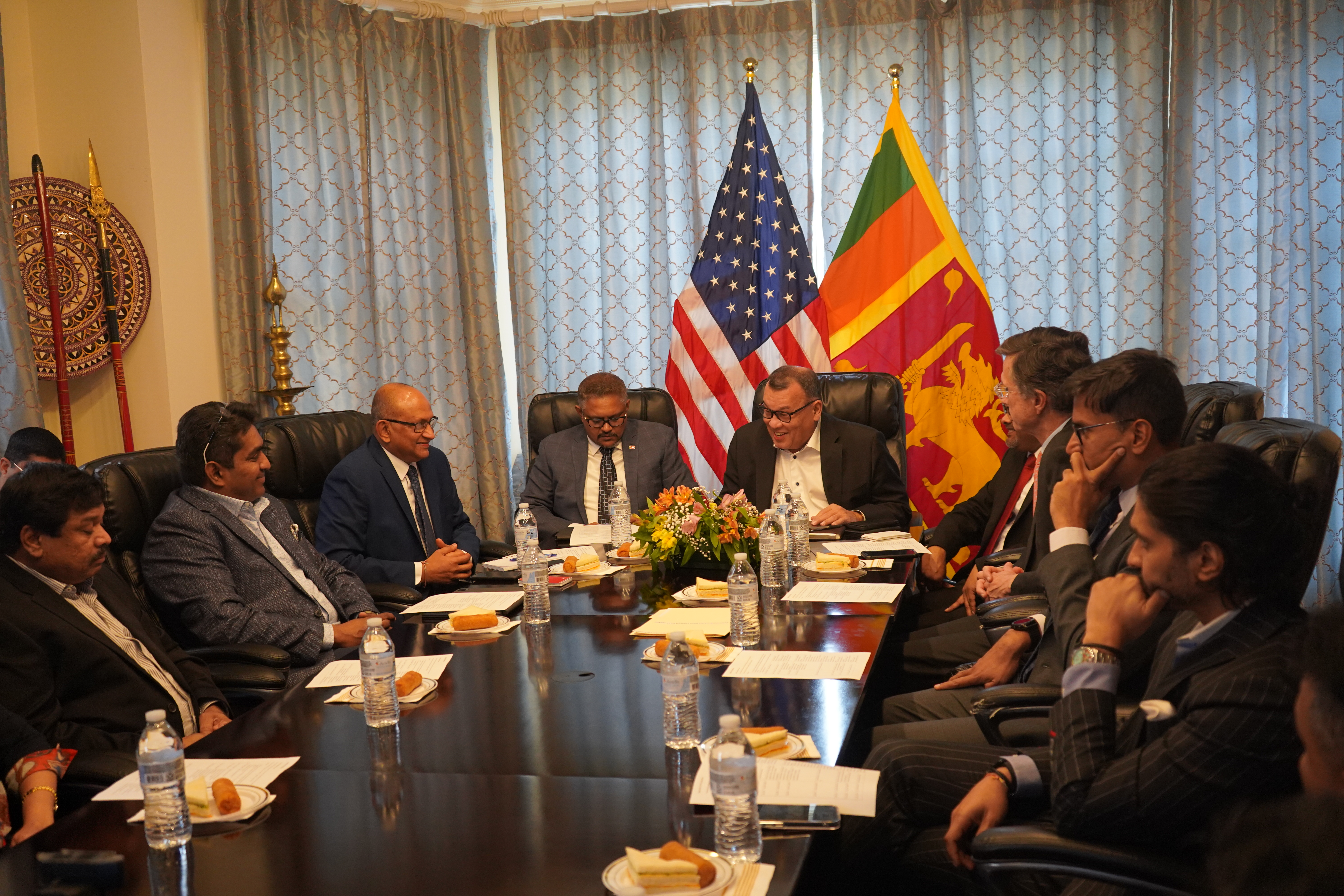
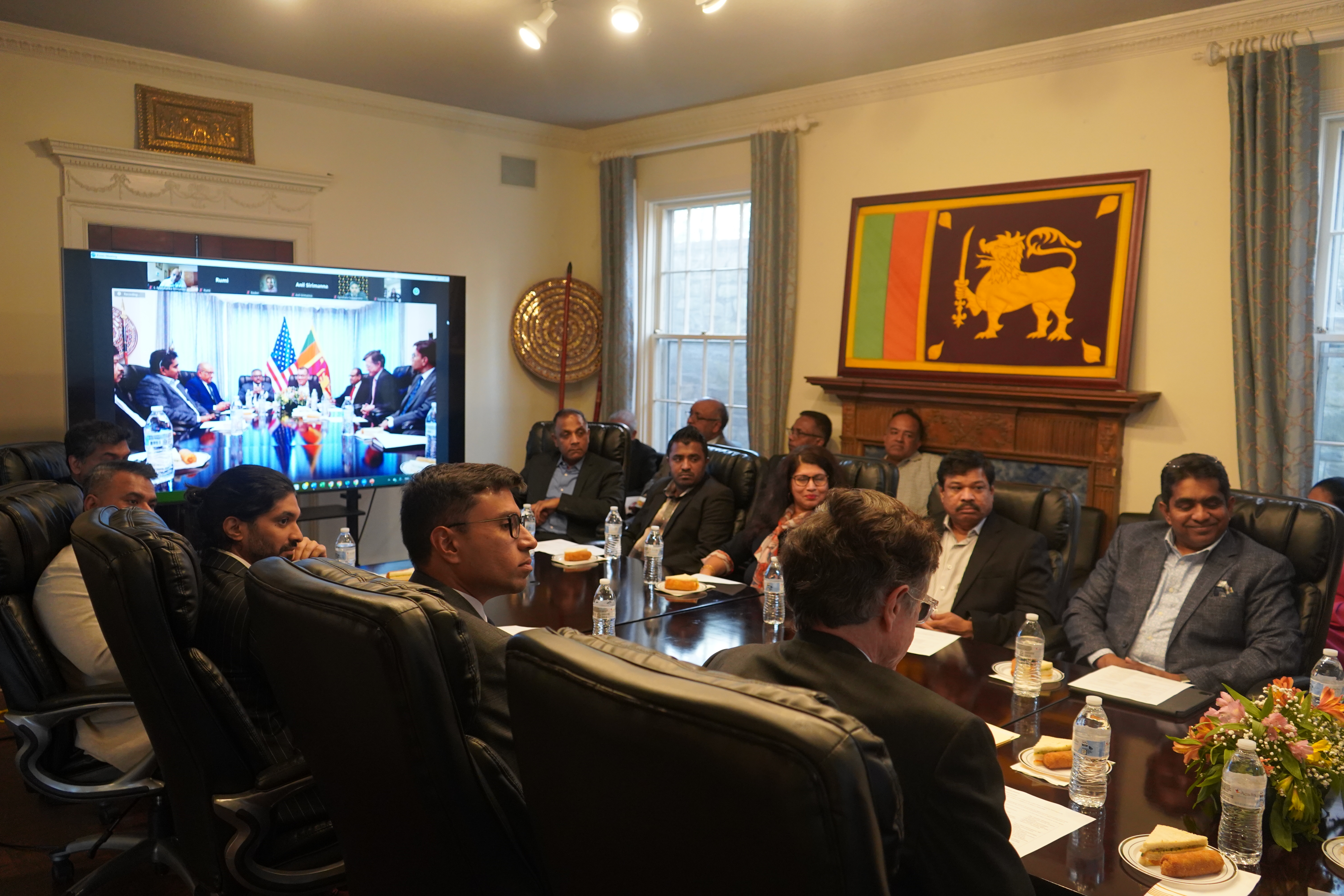
The Department of Commerce welcomes the liberalisation of Rules of Origin under the United Kingdom’s Developing Countries Trading Scheme (DCTS), which came into effect on 01 January 2026. This reform represents a significant advancement in strengthening market access for Enhanced Preference countries, including Sri Lanka, with particular importance for the apparel sector.
Under the revised framework, the UK Government has extended to Enhanced Preference countries the same product-specific rules of origin for apparel (HS Chapters 61 and 62) that previously applied only to Comprehensive Preference countries. Accordingly, apparel producers in Enhanced Preference countries are now permitted to source between 47.5 % and 100% of garment inputs globally, subject to simplified processing requirements.
This reform removes the earlier requirement that two significant manufacturing processes (Double Transformation rule) such as fabric production and garment assembly must take place within the exporting country. As a result, Sri Lankan garment manufacturers can now qualify for duty-free access to the UK market while sourcing inputs more flexibly from global supply chains, significantly enhancing export competitiveness.
The UK remains one of Sri Lanka’s key apparel export destinations, with garments accounting for a 60% of share of total exports to the UK. The liberalised rules reduce compliance complexity, lower production costs, and enable Sri Lankan manufacturers to integrate more effectively into international value chains while competing on equal terms with other major apparel exporters.
In addition, the introduction of the Asia Regional Cumulation Group provides further flexibility by allowing sourcing of inputs from 18 participating countries while retaining preferential tariff benefits for a wider range of Sri Lankan exports.
The Department acknowledges the constructive engagement of the UK Government, the British High Commission, Sri Lanka Mission in London and industry stakeholders, including the Joint Apparel Association Forum (JAAF), in facilitating these reforms. The Department remains committed to supporting exporters in maximising the benefits of the DCTS, strengthening export competitiveness, and expanding market opportunities.
Exporters and stakeholders across the apparel value chain are encouraged to familiarise themselves with the revised Rules of Origin and proactively leverage these enhanced preferences.

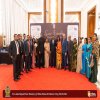
The staff of the Department of Commerce, under the Ministry of Trade, Commerce, Food Security and Cooperative Development, symbolically handed over a donation of Rs. 600,000 to the Government’s “Rebuilding Sri Lanka” Disaster Relief Fund on 01 January 2026 at the Ministry premises.
The contribution was made with the objective of supporting the restoration of livelihoods and national reconstruction efforts following the adverse impact of Cyclone Ditwah, one of the most severe natural disasters experienced by the country in recent times towards the latter part of 2025.
Several officials, including Ms. Ameena Mohin, Director General of Commerce, were present at the event.
This donation reflects the Department of Commerce’s commitment and solidarity with the affected communities, as well as its support for the Government’s initiative to rehabilitate lives and rebuild infrastructure through the “Rebuilding Sri Lanka” fund. Notably, the financial contribution was made at the commencement of the New Year, symbolizing a sense of collective responsibility and national unity.